
Top Interior Painting Tips
Here are our top interior painting tips for the DIYer who wants to get closer to a professional result.
Choosing Colors
Spend some time choosing the right colors. You can do this by checking out magazines, friend’s homes, or visiting your local paint store. Once you’ve done this, I recommend buying a sample and putting it up to make sure you’ve got it right. Very often, paint chips look different than the actual product on the wall.
Prepping the Work Area
Create a staging area in which to place your tools and paint. You can do this using a drop-cloth, or a layer of plastic sheeting taped down with blue tape and covered with a layer of rosin paper (commonly found at paint stores).
If you can, clear out all the furniture and accessories. Take everything off the walls. If you can’t move everything out, place the furniture and lamps in the middle of the room and cover them with a good drop cloth or sheet of plastic. Our preference is a sheet of high density plastic, re-covered by a drop-cloth. You can then cover the edges of the room using 3′ wide rosin paper. Tape the rosin paper down using blue tape, and dispose of it later. I recommend creating “walkways” into and out of the area to be painted, using rosin paper, so as to avoid “tracking” of paint.
Surface Preparation
Fill small nail holes with lightweight (non-shrink) spackle, and larger holes using a home repair product like Bondo which sets up in minutes. After sanding major blemishes, be sure to vacuum up the dust and then fill cracks along edges of trim.
Hardware
You can paint around door knobs or cabinet hinges, but it’s always better to remove hardware including cabinet knobs and hinges, door knobs, light switch plates and outlet covers and light fixtures. Place the pieces together in separate bags or containers and clearly mark the contents and location (top left cabinet, bathroom door, etc) you took them from.
Painting Equipment
Rather than using roller trays, we recommend using 5 gallon buckets and 9″ roller grids for walls, and 1 or 2 gallon buckets for trim. in fact, bathrooms can be painted using a two-gallon bucket with a 7″ grid and roller. If your project runs over one day, you can cover the buckets and wrap brushes with plastic. Avoid leaving the brush in the bucket as the shape may deform causing it to look like a banana.
Avoid Using Painting Tape
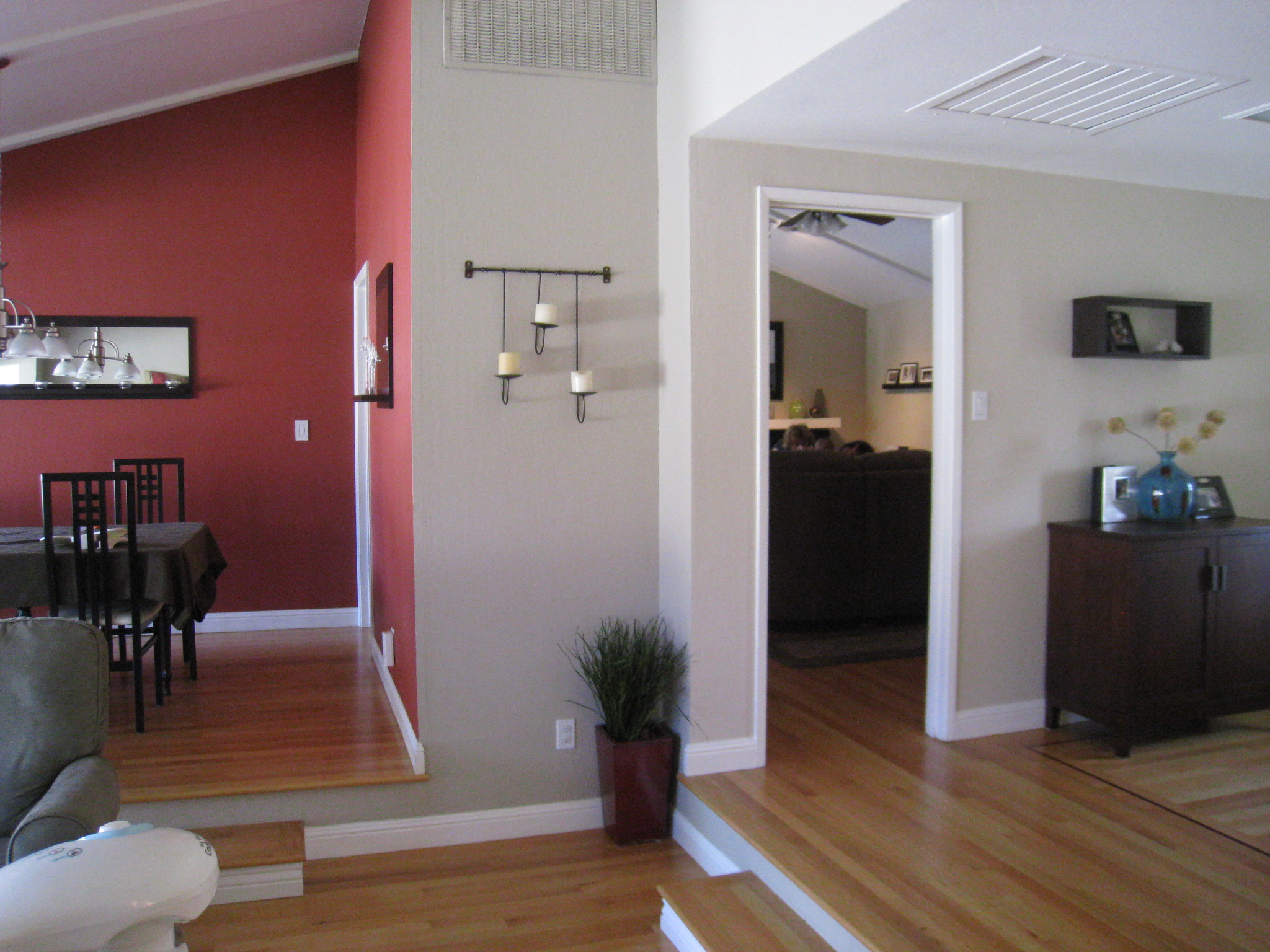 It takes a tremendous amount of time to tape crown moldings, window frames and door frames with results that are often unpredictable due to “bleed through”. I recommend masking horizontal surfaces, such as baseboards, window sills and flooring to protect them from spatter, and then use gravity to help you “cut in” ceiling lines and vertical window and door edges. Practice your hand-eye coordination! It will pay off.
Final Thoughts
In the end, a well-executed interior paint job can completely transform your living space — making rooms feel fresher, brighter, and more welcoming. When you follow proper prep steps, choose the right tools and materials, and apply paint carefully, the result is a durable, clean finish that lasts. Whether you tackle the job yourself or hire a professional, thoughtful painting work protects your walls, enhances home value, and gives you a space you’re proud to call home.
